



The three shots we could not afford
A launch film for a longevity clinic, shot in two days and delivered two days before the doors opened. It was also the first time I used generative tools, for three shots the budget could not buy.
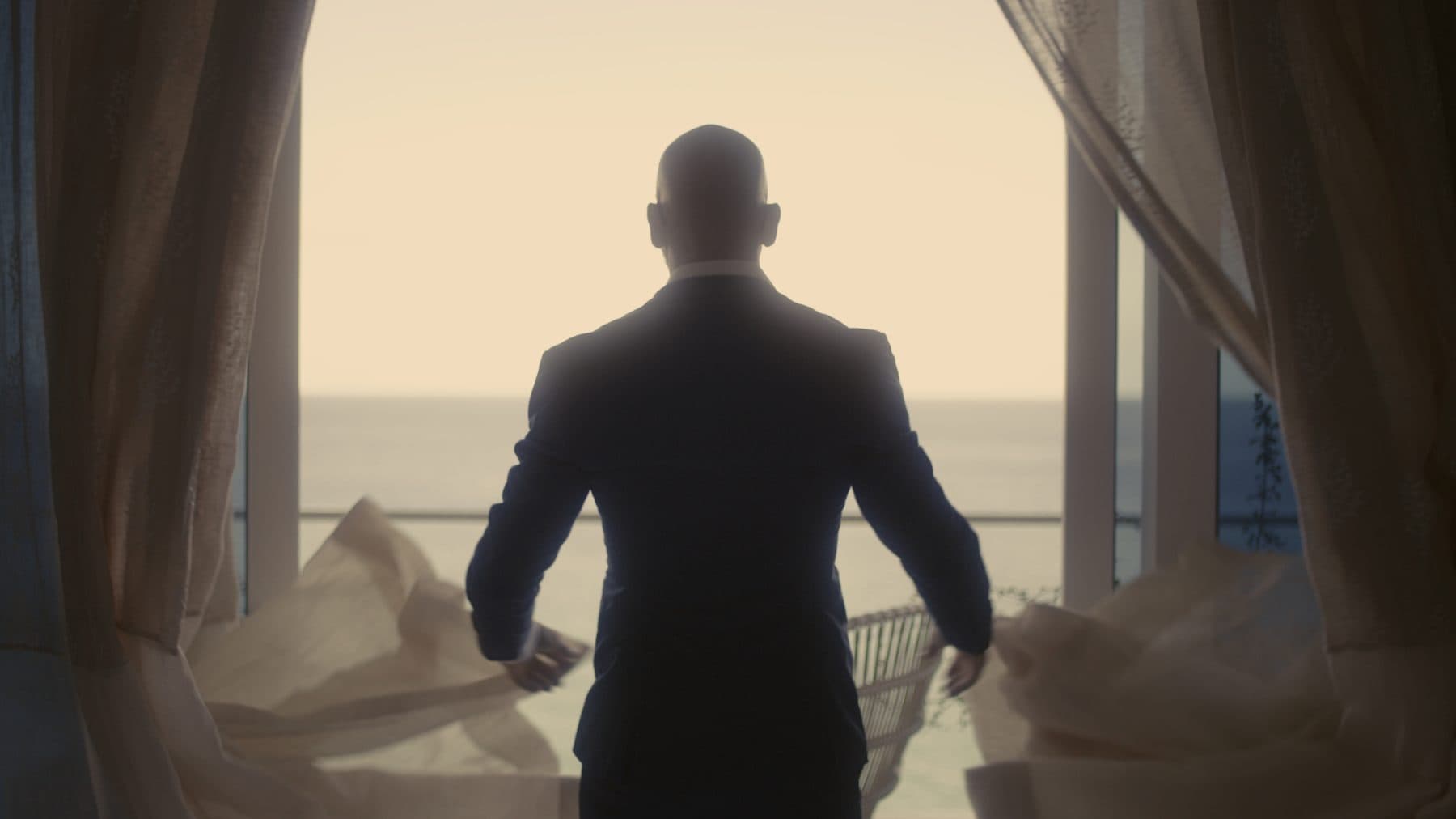
Aurora Life is a longevity clinic. The commercial we made for its launch does not show the clinic.
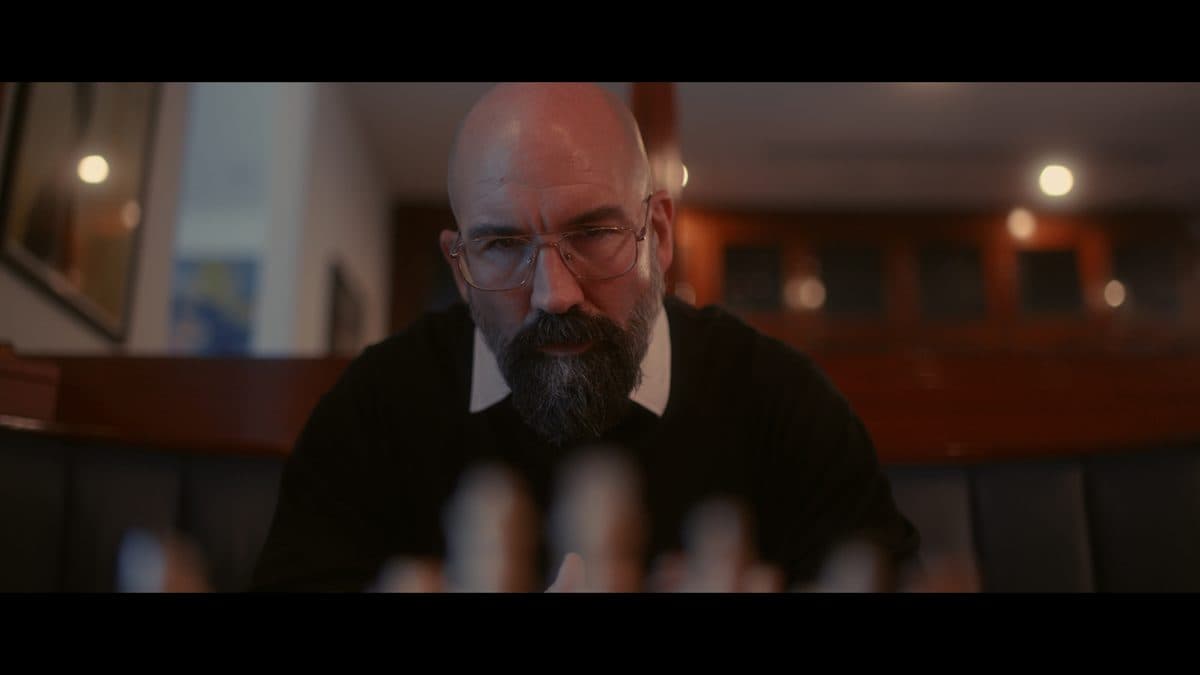
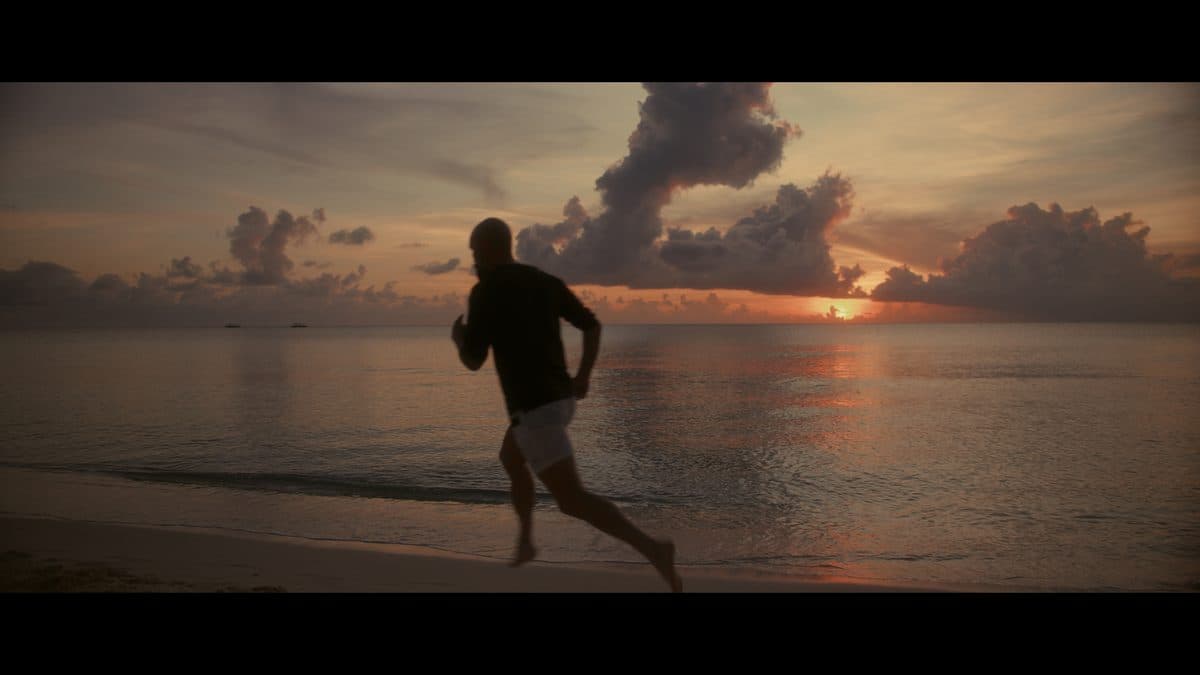
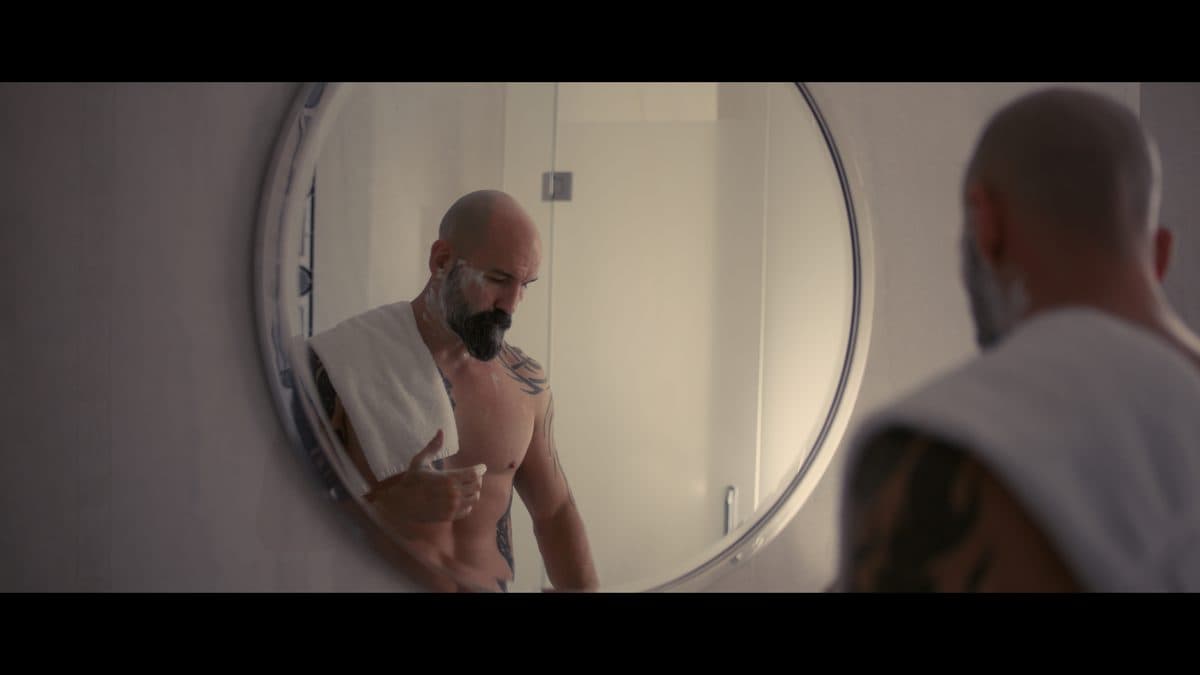
That is the whole idea, and it is worth being clear about why. Nobody buys longevity because a treatment room looks clean. What is actually being sold is a version of your own later life: still swimming, still sailing, still sharp enough to be good at chess, still getting up early because you want to. So the film follows one man through a day of exactly that. He is played by hired talent, not by anyone from the clinic.
No facility tour. No lab coats. No voice explaining the science. Just the outcome the science is for.
Two days for all of it
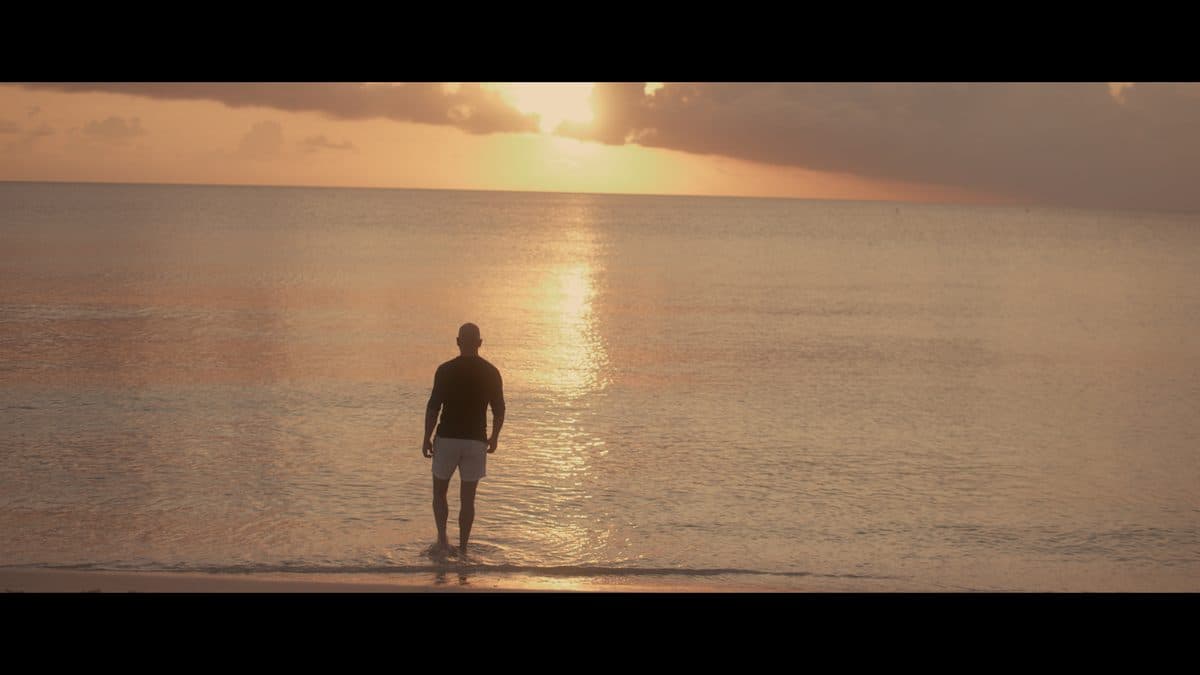
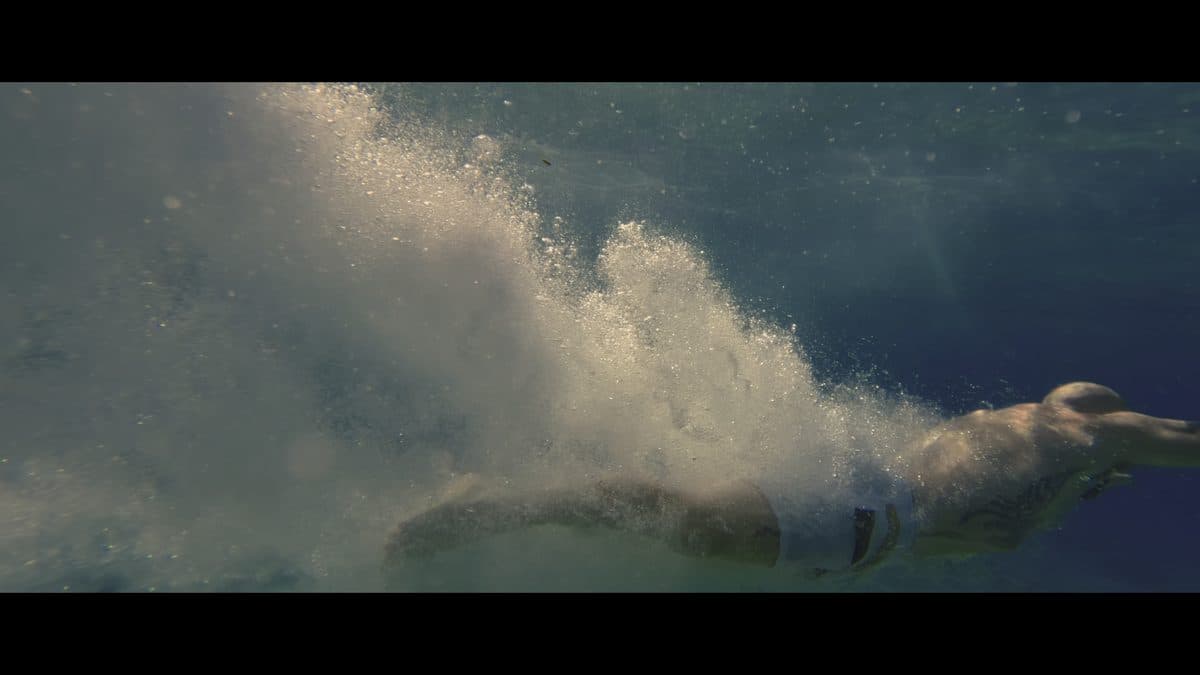
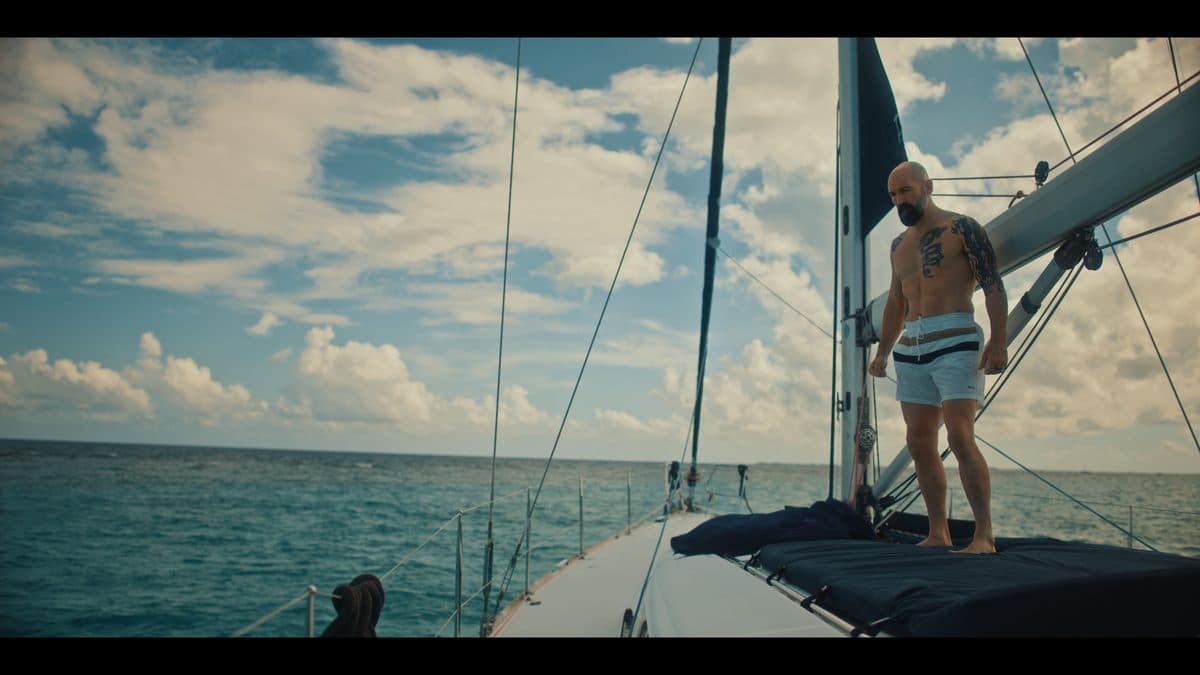
Waking, curtains, the sea, an open-water swim, a sailboat, chess, a run at sunrise, a walk into the water at golden hour. Two shooting days for the lot, in December 2025.
On-water work is what makes a schedule like that genuinely hard. A boat is not a location you can hold. Light moves, the water moves, the boat moves, and the window in which the sun does the thing you need is not negotiable. You plan the day around the sun and accept that everything else has to fit into the gaps around it.
The other pressure is the one nobody puts in a brief. The film had to look considerably more expensive than it was. Not slightly. The register the client wanted, and that the subject genuinely needed, was closer to a car commercial than to anything a two-day budget buys.
Which three, and why
This is where I used generative tools for the first time on a paying job, and I would rather write that down plainly than let people assume everything on screen came out of a camera.
Three shots. One transition, from the window and the balcony out towards the boat. One of the chess shots, the man walking through the board. One of the underwater shots. That is the entire list. Everything else in the film is in camera.
None of the three were scenes we skipped shooting. They are joins and reaches: the moment the film has to travel between two places, and the one or two images that push an idea slightly past what two days can physically get to. The swim, the boat, the chess, the run and the walk into the sea were all shot properly, on location, with a crew.
I have no interest in pretending this replaces production. What it did was close a small gap between what the film needed to feel like and what the schedule could deliver. On a small island with a small budget, that gap is usually the thing that shows on screen, and it is usually the reason work made here gets called local.
Used carefully, in service of a piece that is mostly real, it earned its place. Used as a substitute for going out and shooting properly, it would show instantly.
Delivered two days before opening
Final files went over on 26 February 2026. Aurora Life opened on the 28th.
That is a normal amount of margin for a launch and no amount at all for anything to go wrong, which is the argument for keeping post in the same hands as production. There was nobody to hand it to and nobody to wait on.
What it became
The commercial was the start rather than the job. Since then the work has run to interiors, product and treatment photography, headshots, event coverage and ongoing content, with a retainer covering two commercials a year alongside it.
Which is the pattern worth noticing. A launch film is the piece a client can see before they can see anything else, so it is the one that decides whether there is a second conversation.