

The turtle had to be a loggerhead
A thirty-second spot for Caybrew's new amber lager, built on a piece of wordplay: Amber the loggerhead, Lagerhead the amber. The concept and the storyboard came from the client. Our job was making it true.

Caybrew is the Cayman Islands Brewery. Lagerhead is their new amber lager, and it is named after the loggerhead turtles that nest on beaches here. A portion of the proceeds goes to protecting them.
The whole film hangs on one piece of wordplay. This is Amber, she's a loggerhead. This is a Lagerhead, also known as an amber. Thirty seconds later, it closes the loop: this Lagerhead supports this Loggerhead.
That is a good line, and it isn't mine.
The idea arrived finished
I didn't write this one, and it's worth saying so out loud.
The concept came from Caybrew. The storyboard came from Rhian Campbell, Dart's in-house creative lead, who took the brewery's feedback and put the whole thing together, frame by frame. Nine panels, each with its voiceover line, its camera move and the sound sitting under it. Turtle underwater. Can on the bar. The pour. The can turning. Sunset over the tanks. Cans on the line. Pint and can together at the end.
It is the most useful document a production company can be handed and it is rarer than you would think. Most jobs arrive as a paragraph and a hope.
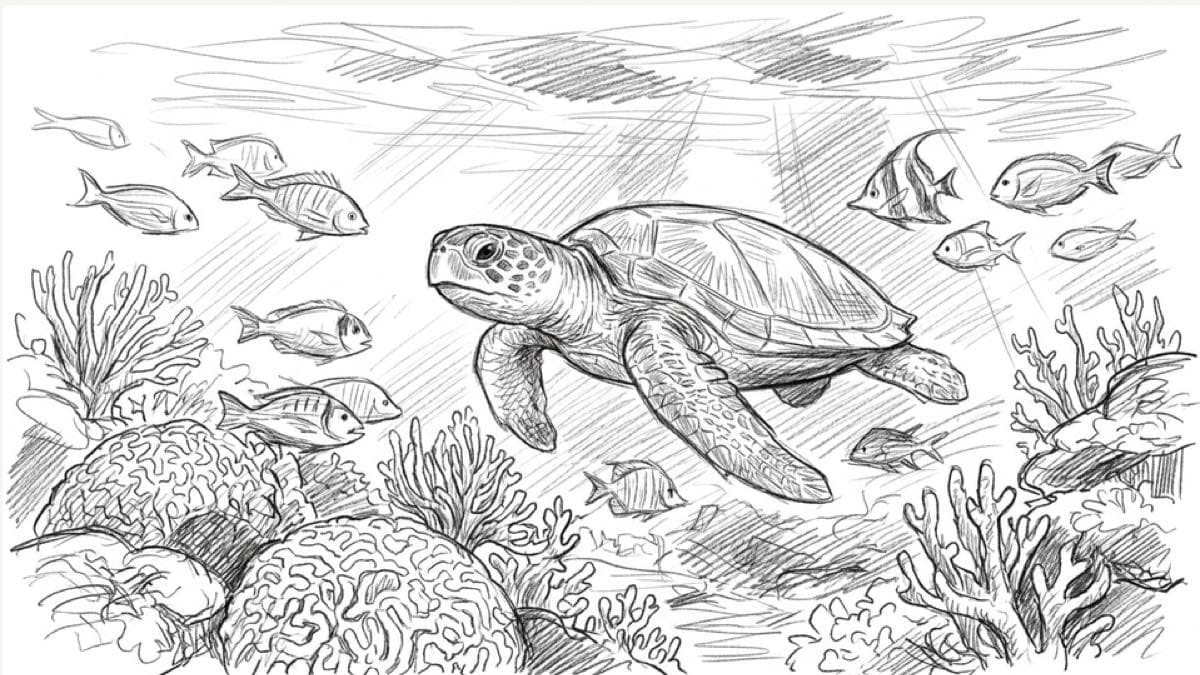
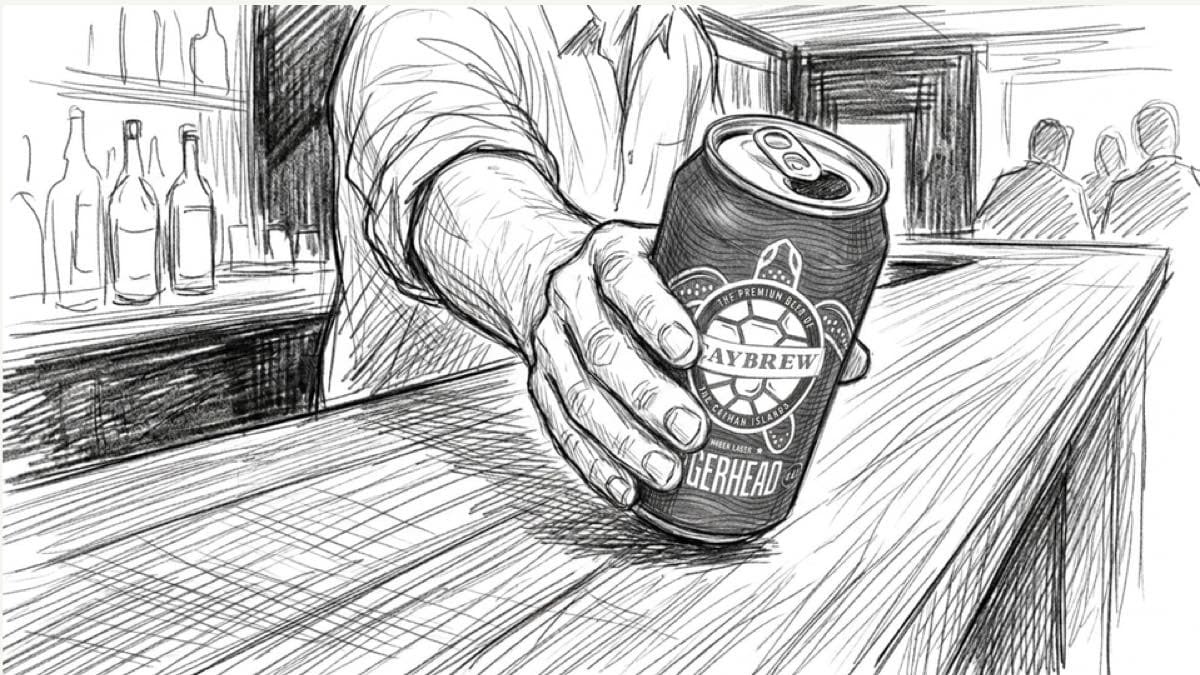
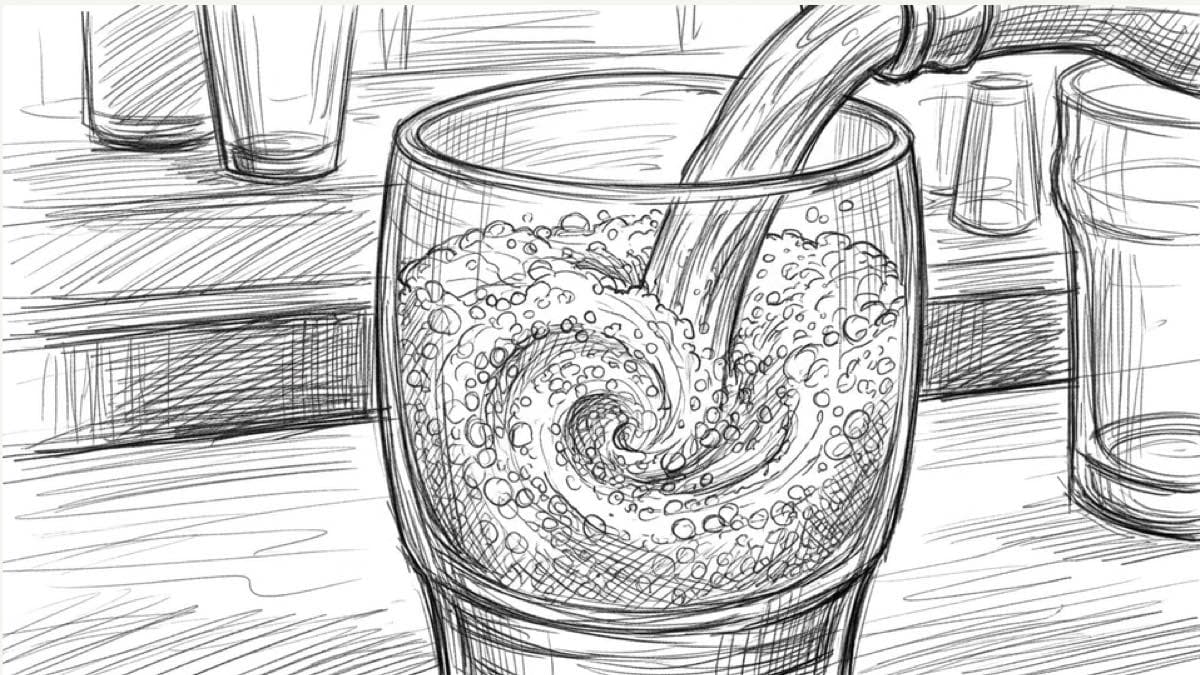
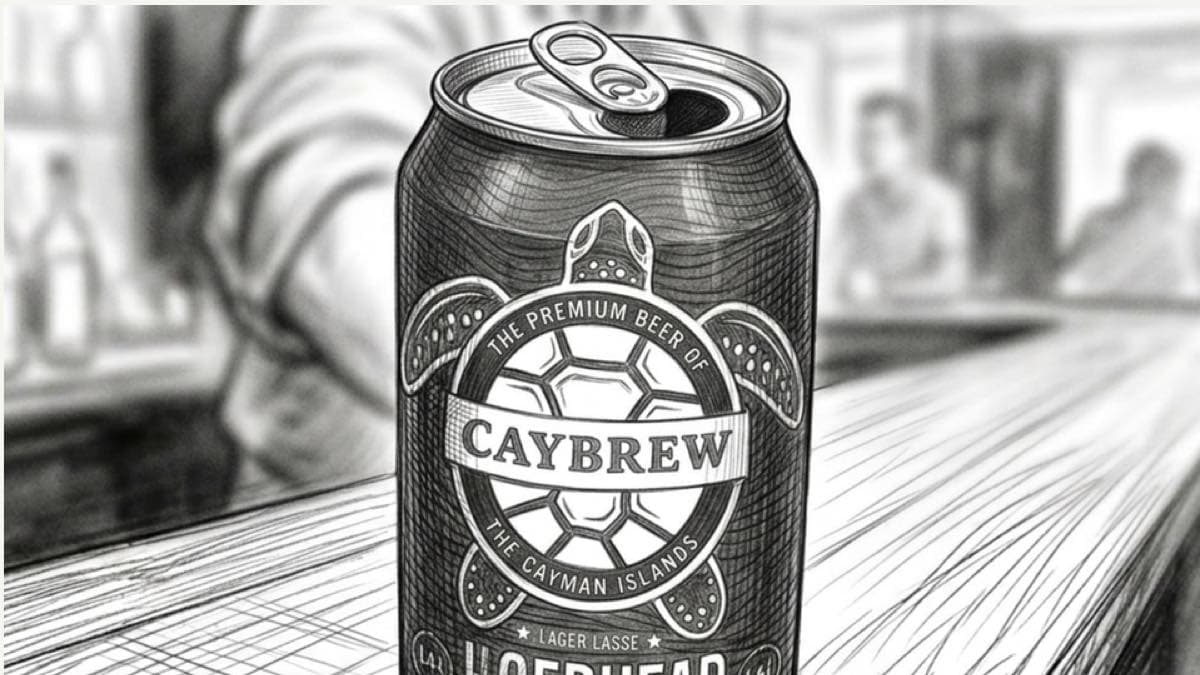
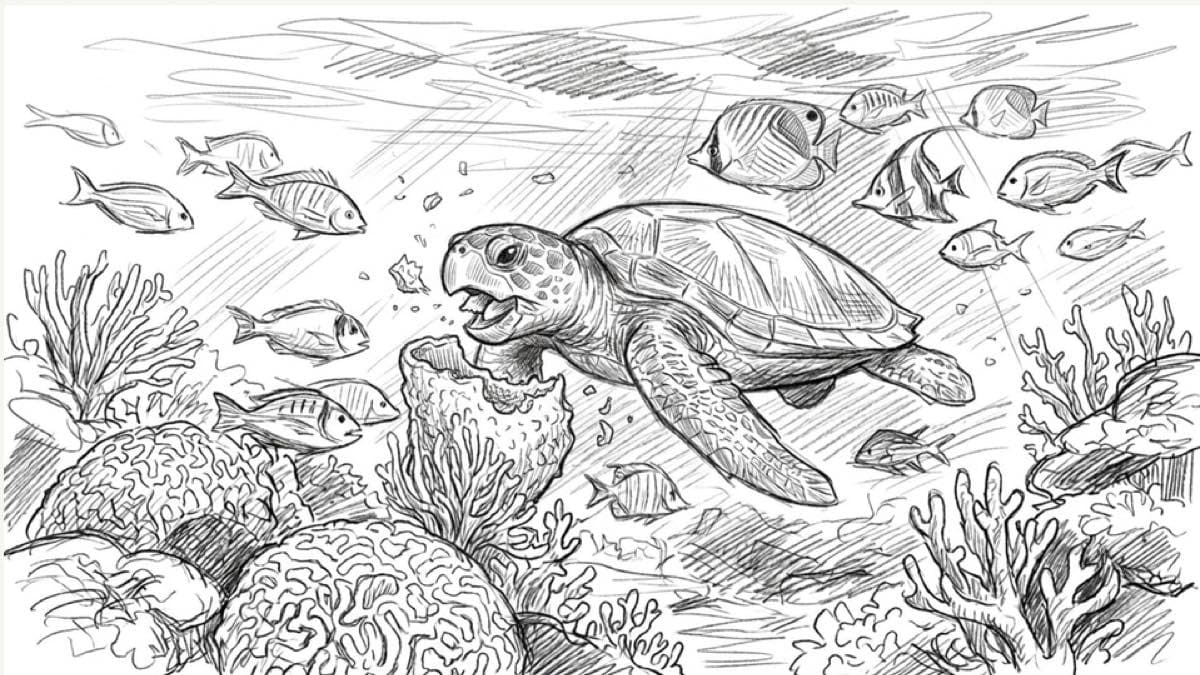
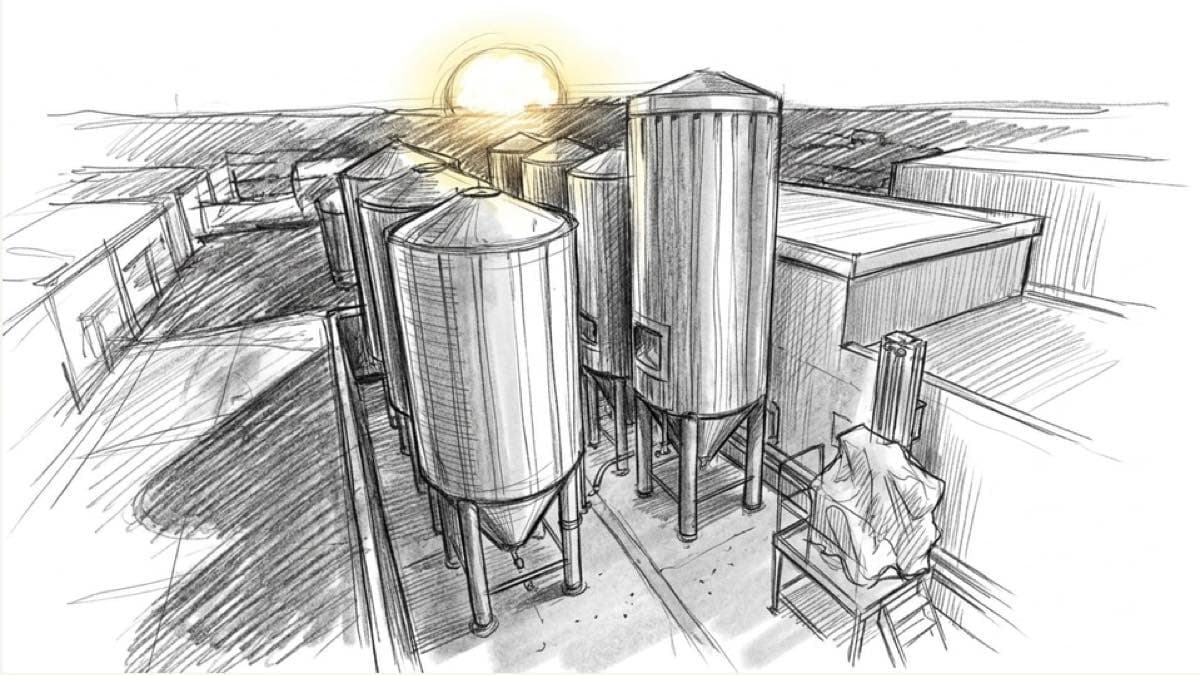
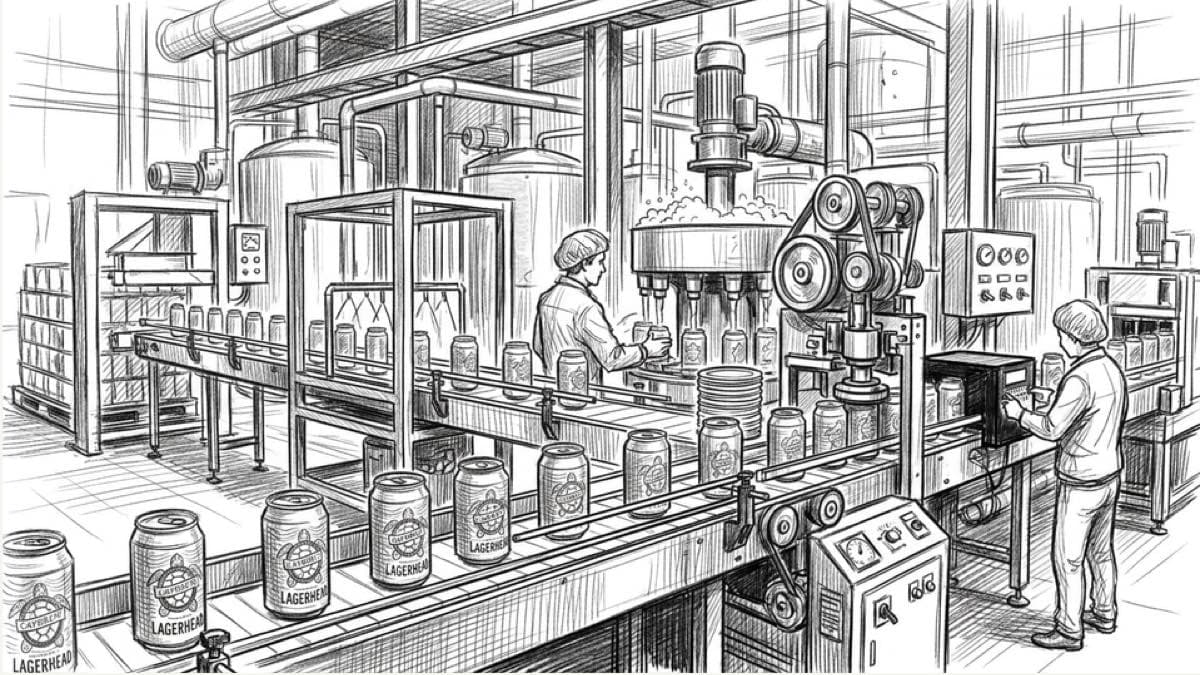
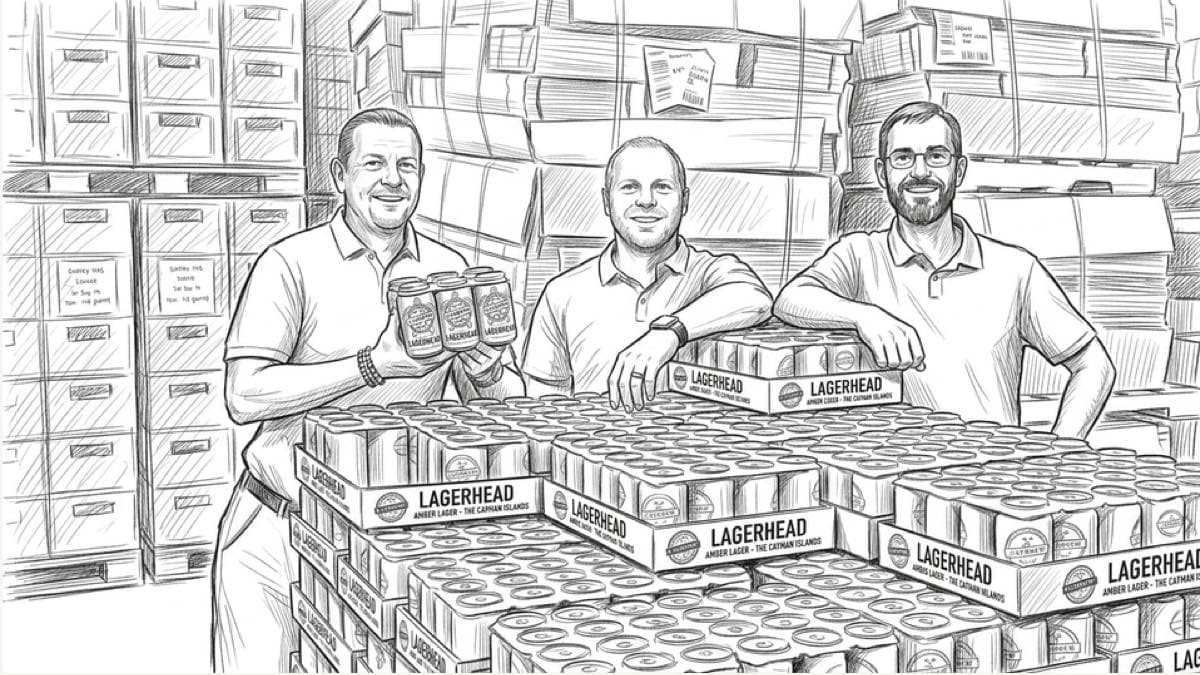
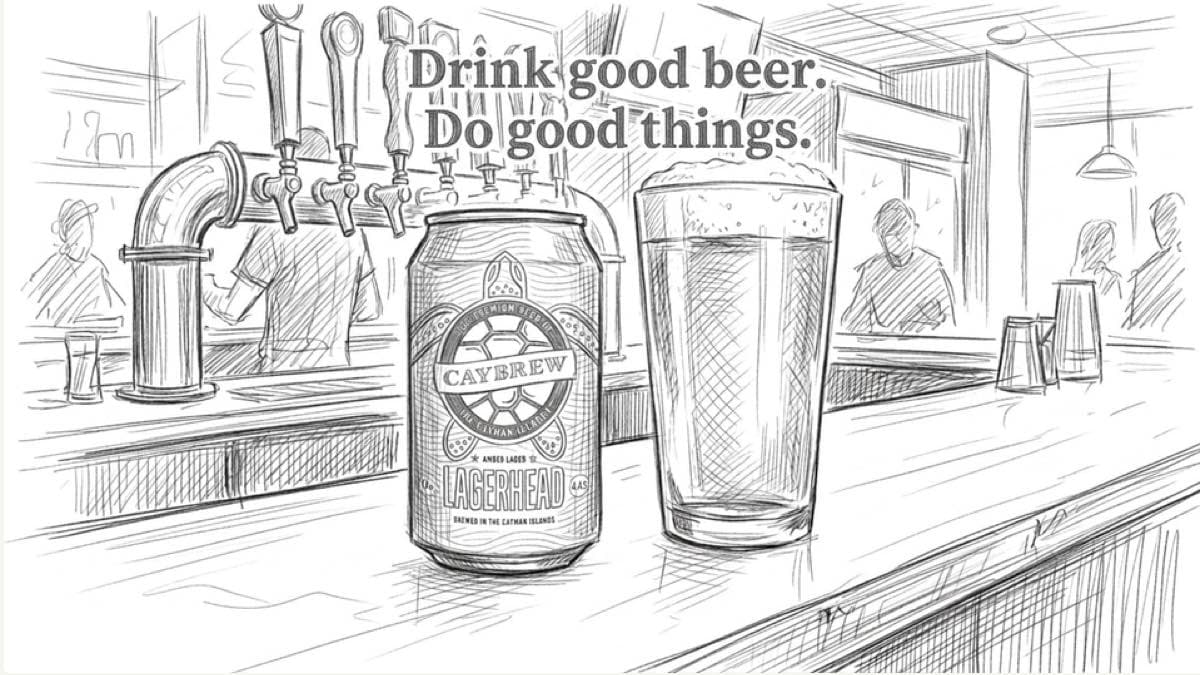
The brief was deliberately open on format. Animation, live action, library footage, or a blend of all three, whatever served it best. The answer turned out to be a blend, which made our job shooting the parts that had to be real and then hiding the seams.
Then the turtle became a problem
You cannot claim to protect turtles over footage of the wrong turtle.
A loggerhead is a specific animal. Put a green turtle in the opening shot of a film about loggerheads and the one audience guaranteed to notice is the one you most need on side: the conservation people whose name is going on the campaign.
So the footage was checked with the Cayman Islands Department of Environment before it went anywhere near an edit.
The obvious answer was to use the DoE's own material, and Rhian went looking. They have plenty of it, shot in the field by people who know exactly what they are looking at. Almost all of it is vertical. It was recorded for phones, which is the right call for what they use it for and no use at all in a sixteen by nine commercial. There is something quietly funny about a conservation department holding better turtle footage than any library on earth, in the wrong shape.
Seven in the morning at a working brewery
The call was 7am at the brewery, first shot at half past, on the assembly line.
That order was deliberate. The taproom opens to the public at half ten, and the people running the line have a day of their own to get through. So you shoot the line first, while it is quiet and the staff can give you twenty minutes without the whole shift stopping. Taproom after. Out before the first customers arrive. Wrap around lunch.
None of that is a creative decision. It is the difference between a client who is glad you came and a client who spends the morning counting what you cost them.
The drone shot over the tanks came later, on its own, because that one needed a sky. Golden light behind a brewery is either there or it is not, and you cannot schedule it into a fixed day.
It has to work with the sound off
That was in the brief, and it is the line that changes how you cut.
Most of this will be watched on a phone with the sound off, or on a screen in the taproom with no audio at all. Which is awkward, given the entire concept is a spoken pun.
So the payoff had to land on screen as well as in the ear. Drink good beer, do good things, typeset and built across the last few seconds, with the can and the pint sitting there together. Somebody scrolling past in silence still gets it. The detail about where the money actually goes lives in the voiceover, for the people who have the sound on.
The other thing carrying it silently is the can. There is a loggerhead on the packaging, so shoot the can properly and the turtle is already in frame.
The voice took longer than the film
We planned to lock this in August. It was approved in September.
Nothing went wrong. The pictures were shot in a morning and cut inside three weeks. The voice was the hold up. Getting the right person in front of a microphone, then a note that the can opening at the end needed to be more prominent, then a new cut with a better glass shot.
The last version is the one where the hatchling lands on "this Loggerhead." A tiny turtle crossing the sand on its own, about a second of screen time, in the middle of a beer commercial. That is the shot the wordplay was built to reach.